Rain Sounds for Sleeping: Why Rain Is the #1 Sleep Sound


Why Rain Is the #1 Sleep Sound
The dominance of rain sounds is not a coincidence. Rain combines multiple sleep-promoting properties into a single natural phenomenon:
-
Pink noise spectrum. Rainfall naturally falls within the pink noise frequency range - stronger low frequencies, softer high frequencies. This is the same spectral profile that research has linked to improved deep sleep and memory consolidation.
-
Consistent yet variable. Rain is steady enough to mask disruptive sounds but has enough natural variation (individual droplets, shifts in intensity) to prevent the monotony that makes some synthetic sounds feel artificial.
-
Evolutionary safety signal. Evolutionary psychologists theorize that rain signaled safety to our ancestors - predators are less active, visibility is reduced (you are harder to find), and the steady sound indicates environmental stability. Thousands of generations of sleeping safely during rainstorms may have hardwired an association between rain and rest.
The Science Behind Rain and Sleep
Research on nature sounds consistently shows that they activate the parasympathetic nervous system - the body's "rest and digest" mode. A 2017 study published in * Scientific Reports* used fMRI brain scans and found that nature sounds, including rain, shifted brain activity away from inward-focused anxiety patterns and toward external, relaxed attention.
Rain sounds specifically offer excellent sound masking. The broad frequency content of rainfall covers both low-frequency sounds (traffic, HVAC, bass from neighbors) and mid-to-high frequency sounds (voices, phone notifications, creaking). This makes rain one of the most versatile masking sounds available.
The rhythmic quality of rain also promotes auditory entrainment - your brain waves begin to synchronize with the steady rhythm of the rainfall, similar to the way ocean waves encourage breathing synchronization. The predictable pattern allows your brain to stop monitoring the environment and begin the transition to sleep.
Types of Rain Sounds
Not all rain sounds are the same. Different types suit different sleepers:
Gentle Rain
Light, steady drizzle with soft droplet sounds. This is the most popular type for sleep - calming without being overwhelming. Gentle rain has the most pink noise character, with a smooth, balanced frequency profile. Best for people who want a subtle, unobtrusive background sound.
Heavy Rain
Intense downpour with a stronger, more continuous roar. Heavy rain provides superior sound masking because of its higher overall volume and broader frequency coverage. Better for noisy environments or people who prefer a more immersive sound.
Thunderstorm
Rain combined with distant or close thunder. Thunderstorms add low-frequency rumbling that is similar to brown noise, creating a layered soundscape. Some people find thunder deeply relaxing, while others find the sudden cracks startling. If thunder appeals to you, look for recordings with distant thunder - the rolling rumble without sharp cracks.
Rain on a Tent
Rain hitting canvas or nylon creates a distinctive, intimate sound with more high-frequency texture than rain on the ground. This is a favorite among camping enthusiasts and people who associate it with cozy, enclosed spaces. The contained quality of the sound can feel particularly safe and comforting.
Rain on a Window
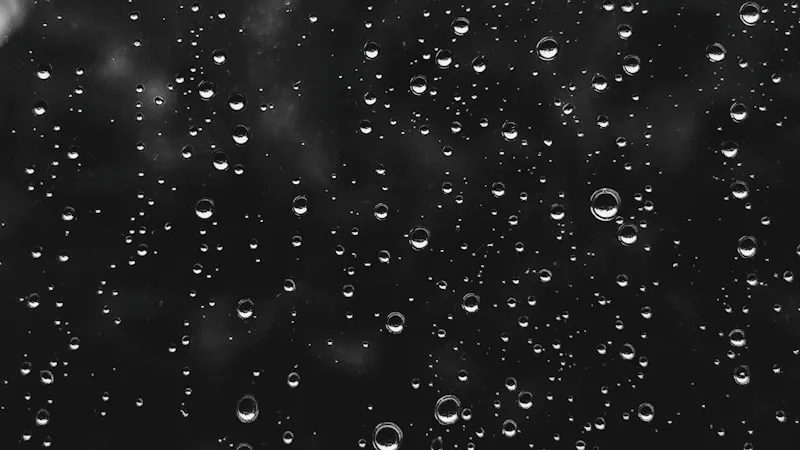
Individual droplets hitting glass, often with the occasional gust of wind. Rain on a window has more distinct, separated droplet sounds compared to the continuous wash of ground rain. It evokes the feeling of being warm inside on a cold, wet night. Many people find it especially nostalgic and calming.
How Rain Sounds Affect the Brain
Neuroimaging research reveals several ways rain sounds influence brain activity:
-
Reduced default mode network activity. The default mode network is associated with mind-wandering and self-referential thinking - the "rumination circuit" that keeps anxious minds awake. Nature sounds, including rain, reduce activity in this network.
-
Increased alpha wave activity. Alpha brain waves (8-12 Hz) are associated with wakeful relaxation - the bridge state between alert wakefulness and sleep. Rain sounds promote alpha activity, helping the brain transition naturally toward sleep.
-
Lower cortisol levels. Studies on nature sound exposure show measurable reductions in cortisol, the primary stress hormone. Lower cortisol at bedtime directly supports faster sleep onset.
Tips for Using Rain Sounds
-
Match the rain type to your need. Light sleeper in a quiet room? Gentle rain is enough. Living on a busy street? Heavy rain or thunderstorm provides better masking.
-
Keep the volume realistic. Rain sounds should sound like rain you would hear through a window, not like you are standing in a hurricane. Low, natural-sounding volume promotes sleep; too loud can be stimulating.
-
Avoid looping artifacts. Short rain loops with obvious repeat points are a common problem. Your brain detects the pattern and it becomes distracting. Use long recordings or apps like Momental that generate continuous, non-repeating rain audio.
-
Set a sleep timer if needed. Most people fall asleep within 15-30 minutes with rain sounds. A 45-60 minute timer works well, though many people prefer all-night playback and sleep fine with it.
-
Try combining rain with other sounds. Rain pairs well with crackling fire for a cozy atmosphere, with brown noise for deeper masking, or with birdsong for an early morning forest feel. For more layering ideas, explore our guide to nature sounds for relaxation.
Rain Sound Sources Compared
Where you get your rain sounds matters more than you might think:
-
Dedicated sleep apps (Momental, BetterSleep, Calm) - the best option for sleep. No ads, no buffering, offline playback, sleep timers, and audio designed specifically for long listening sessions. Many generate procedural audio that never loops. If rain is your gateway to broader masking, compare the best white noise apps too.
-
YouTube - free and widely available, but comes with ads (even mid-roll ads at 3 AM), requires the screen to stay on (or YouTube Premium), and drains battery. Audio quality varies wildly between channels.
-
Spotify and music streaming - better than YouTube, but still subject to occasional notifications. Tracks have defined lengths and loop points. Does not integrate with sleep tracking or timers.
-
Hardware sound machines - reliable and simple. No phone distractions. However, most use short audio loops (30-60 seconds) that some people can detect, and they typically offer limited rain variations.